

News Details
Why do freight stations choose electric trucks to transport goods
Freight stations have a large amount of goods that need to be transported and unloaded every day. Traditional manual or fuel powered transportation equipment is difficult to meet the needs of freight stations in terms of efficiency, cost, and environmental protection. Electric transport vehicles are commonly used tools for cargo transportation, with simple operation, safety, and reliability.
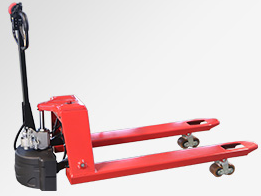
With the rapid development of the e-commerce industry, the throughput of goods at cargo terminals is experiencing explosive growth. Manual handling is not only slow, but also prone to a significant decrease in efficiency due to fatigue, making it difficult to cope with high-intensity work tasks. Although fuel handling equipment has strong power, it takes a long time to start and prepare, making it difficult to flexibly respond to the frequent and short distance handling needs of cargo stations. Electric transport vehicles start quickly, are easy to operate, and can flexibly shuttle in narrow cargo lanes and complex environments, greatly improving transport efficiency.
Fuel handling equipment not only has a high purchase cost, but also incurs considerable fuel and maintenance expenses in the later stages. The energy consumption cost of electric transport vehicles is only one-third of that of fuel equipment, and their structure is relatively simple with low maintenance costs. Over the long term, they can save a lot of expenses for freight stations. At the same time, with increasingly strict environmental policies, the zero emissions and low noise characteristics of electric transport vehicles make them an inevitable choice in line with the trend of green logistics development.