

News Details
The importance of oil seals for manual hydraulic transport vehicles
In the daily operations of warehousing and logistics, manual hydraulic handling vehicles are commonly used tools for cargo handling. In the core of this equipment - the hydraulic cylinder, although the oil seal is just a small sealing element, the piston rod and cylinder barrel are important components. Once the oil seal fails, problems such as oil leakage, pressure relief, and weak lifting will follow one after another.
At present, mainstream manual hydraulic handling vehicles are generally equipped with imported sealing rings. The advantages of this type of oil seal are very obvious: good sealing performance, which can effectively prevent hydraulic oil leakage; Strong wear resistance, maintaining shape stability during frequent reciprocating motion; Long service life significantly reduces the frequency of downtime maintenance. It can be said that high-quality oil seals are the "invisible heroes" that ensure the long-term efficient operation of transport vehicles.
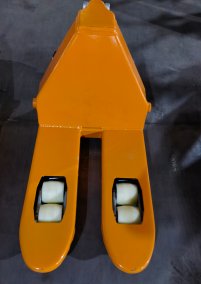
However, actual maintenance data shows that about 70% of the problems with oil leakage in the cylinder are caused by the oil seal. Aging, damage, and wear are the three main causes of oil seal failure. Therefore, once signs of oil leakage are found in the oil cylinder during daily use, the machine should be stopped for inspection as soon as possible. If it is confirmed that the sealing ring is aging or damaged, do not make do with it and do not replace it arbitrarily. Instead, choose high-quality sealing rings with original specifications for replacement. The correct installation technique is equally important, avoiding scratching the lips or installing in the opposite direction.
In summary, although oil seals are small, they directly affect the sealing performance and operational safety of hydraulic systems. Choosing the right oil seal, checking it in a timely manner, and replacing it in a standardized manner can reduce oil leakage and increase output of manual hydraulic handling vehicles, truly extending the service life of the entire machine.